Call us at (904) 736-3732 to get started on your concrete project!
A full hot tub weighs between 3,000 and 6,000 pounds. That’s not a typo. Water is heavy. The tub itself is heavy. Add four adults and you’re pushing three tons sitting on a few square feet of ground. Put that on a wooden deck, a paver pad, or a slab that’s too thin and something’s going to give. We’ve seen it — tubs sinking into the ground, cracking cheap concrete down the middle, decks bowing until the joists split.
LCE Concrete Contractor Jacksonville pours hot tub pads that are engineered for the load. Not guessed at. Not “that should be thick enough.” Measured, reinforced, and poured to handle the actual weight of your specific tub filled with water and people. Licensed, bonded, insured. Four years doing this in Jacksonville, FL with a 5-star Google rating from customers who didn’t have to call us back.
Want a hot tub pad poured? Call or text. Free estimate, same-day response.
This comes up a lot. People buy a hot tub and then start looking for the cheapest way to set it down. Gravel base. Paver pad. Existing deck. Rubber pads from the internet.
Here’s what happens with each of those.
Gravel shifts. It compacts unevenly under a load that heavy and your tub starts leaning. One corner drops a half inch and now the water line is off, the jets are pushing weird, and the shell is under stress it wasn’t designed for. Some tub manufacturers will void your warranty if you set it on gravel.
Pavers move. Sand washes out, individual pavers sink, and you end up with the same tilting problem. Plus pavers can’t distribute a concentrated load the way a monolithic slab can.
Wood decks can work if they’re specifically built for the weight. Most aren’t. A standard residential deck is framed for 40 pounds per square foot live load. A hot tub full of water and people puts 150-plus pounds per square foot on the surface. That math doesn’t work unless somebody beefed up the framing underneath, and most people don’t find that out until the deck starts sagging.
A properly poured concrete pad handles all of it. No shifting, no settling, no load distribution problems. Pour it right once and forget about it.
It’s not a complicated pour, but the details matter more than people think.
First thing we do is figure out the weight. Different tubs, different sizes, different capacities. A two-person tub full of water is a completely different load than an eight-person swim spa. We size the pad and the reinforcement to the specific tub you’re putting on it.
We excavate down, grade the soil flat, and compact it. In Jacksonville, that sandy soil drains well but it moves if you don’t pack it properly — and a hot tub pad that settles even a little creates problems fast. We lay a compacted aggregate base, set forms, and tie rebar. Most hot tub pads get 6 inches of concrete minimum with rebar on 12-inch centers. Some of the bigger swim spas need more.
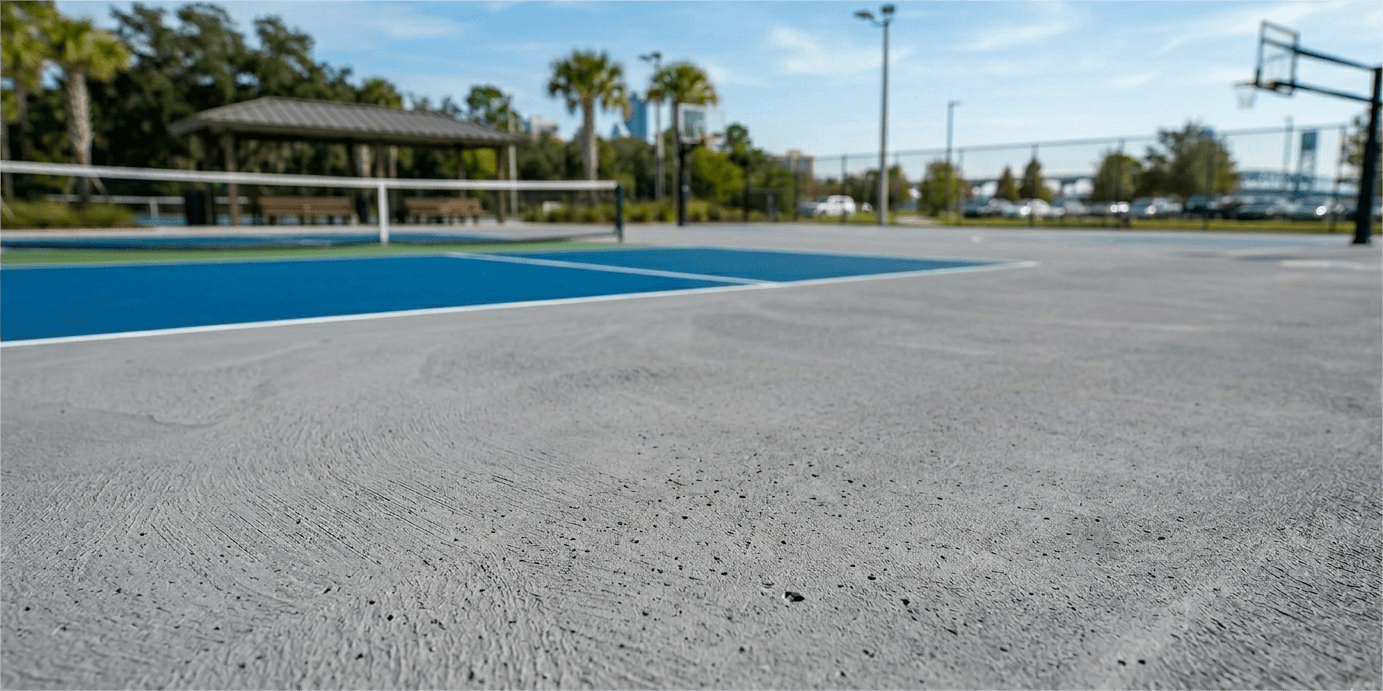
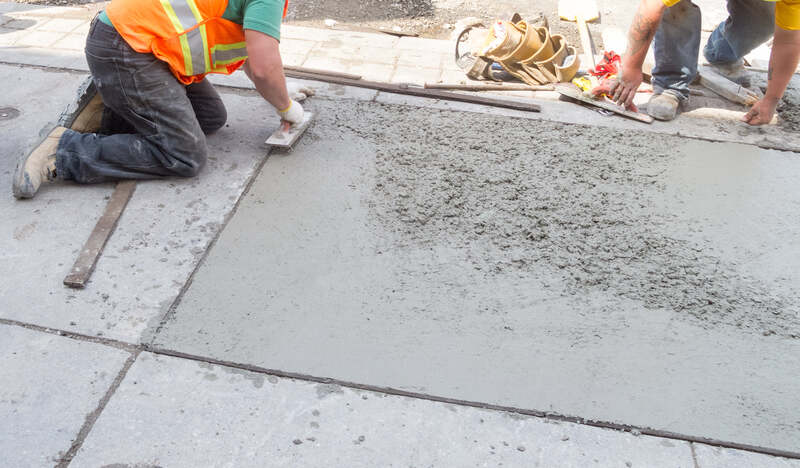
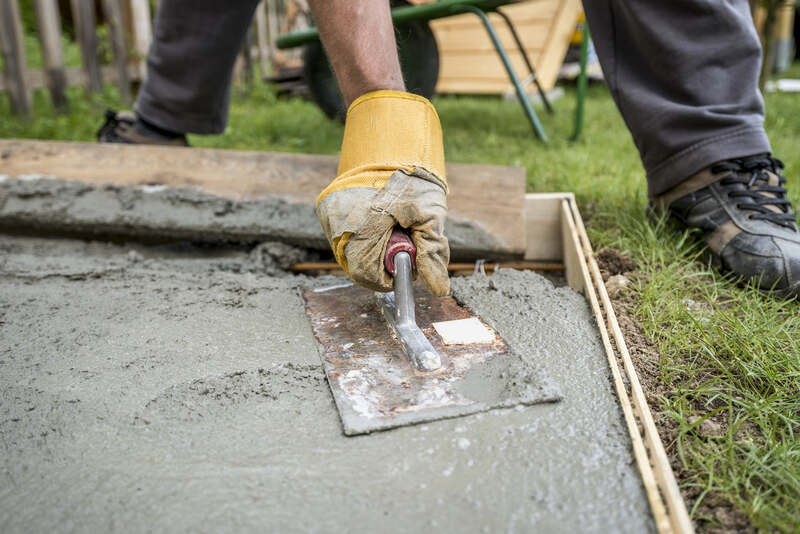
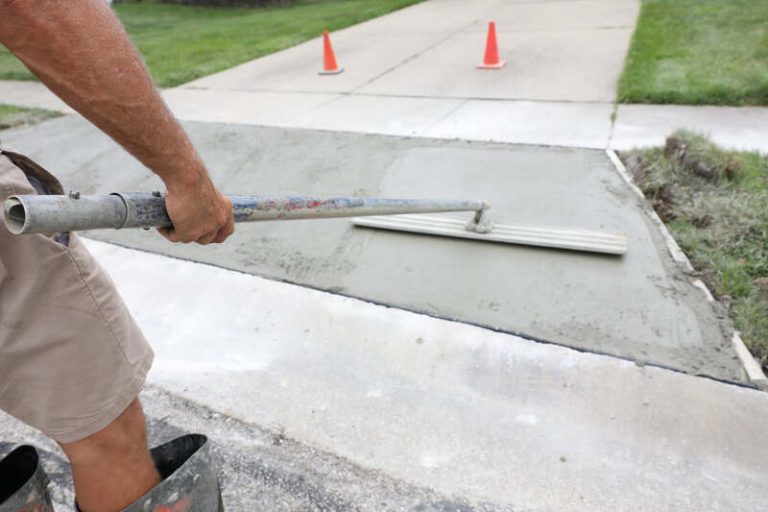
The surface gets a broom finish for traction. You’re stepping out of hot water onto concrete in bare feet — smooth trowel is a slip waiting to happen. We also slope the pad slightly so water drains away from the tub and away from your house. Standing water around a hot tub pad breeds mold and mosquitoes, and if it’s draining toward your foundation, you’ve got a bigger problem down the road.
We can set conduit runs in the slab for electrical if your electrician wants them, and we’ll coordinate pad placement with your tub dealer’s specs for clearance, access panels, and drainage hookups.
A hot tub pad in Jacksonville typically costs between $1,200 and $3,500. That range depends on the size of the pad, thickness, whether we’re removing existing concrete or an old deck platform, soil conditions, and how much site prep the area needs.
A standard 8×8 pad for a four-person hot tub on decent ground with good access — that’s your lower range. A 10×12 or larger pad for a swim spa with poor soil, old concrete demo, and a tight backyard that makes getting materials in harder — that’s the upper end.
We don’t quote over the phone. We come out, look at where the tub’s going, check the grade, figure out access for the concrete truck, and give you a written number. Free. If you’re still shopping around after that, no hard feelings. But our prices are fair and our work doesn’t come with callbacks.
Your hot tub pad needs to be bigger than the tub. Not by a lot — but enough that the tub isn’t sitting right on the edge of the concrete with nothing supporting the corners.
General rule: add 6 to 12 inches on each side beyond the footprint of the tub. An 84×84-inch tub needs a pad that’s at least 8×8 feet. Gives you a small border of concrete around the tub for footing and keeps the full weight on the slab instead of hanging over the edge.
Placement matters too. You need clearance for the access panel — that’s where the pumps and heater live, and your spa tech needs to get in there. Don’t pour the pad flush against a fence or wall on the equipment side. We also think about how you’re getting in and out. Nobody wants to step out of a hot tub onto wet grass or mulch.
We’ll look at your yard, talk through where you want the tub, and make sure the pad goes in the right spot the first time. Moving a concrete pad after it’s poured isn’t a thing.
We’re concrete guys, not electricians. But we’ve poured enough hot tub pads to know that the electrical and the concrete need to talk to each other before anything gets built.
Most hot tubs run on a dedicated 240-volt circuit with a GFCI disconnect panel mounted within sight of the tub. That wiring has to come from your main panel to the tub location, and if you want it run underground, the conduit needs to be in place before we pour. We can set PVC conduit sleeves through or under the slab so your electrician has a clean path. Saves them from having to cut into finished concrete later.
Same thing if the tub has a separate drain line. We’ll stub out a drain channel or set a sleeve before the pour if needed. These are 10-minute details during construction that become expensive headaches after the concrete’s cured.
We’ll coordinate with your electrician, your tub dealer, or your general contractor — whoever’s handling the other pieces. We just need to know the plan before pour day.
Some people want a standalone pad out in the yard just for the tub. Others want the hot tub sitting on their patio. Both work, but they’re different jobs.
A standalone pad is simpler and cheaper. We pour a small slab sized for the tub, broom finish it, and you’re done. Good option if you want the tub in a specific spot away from the house — corner of the yard, under a pergola, next to a privacy fence.
A patio extension is more involved but gives you a better finished product. We tie into your existing patio and extend the slab to include the hot tub area, maybe with some extra space for steps, a small seating area, or a walkway connecting back to the house. If your current patio is stamped or colored, we can match the finish so the extension blends in.
If your existing patio is thick enough and structurally sound, it might already handle a hot tub. We’ll check the thickness and reinforcement before you commit to a new pour. Sometimes the answer is “your patio’s fine, just set the tub on it.” We’re not going to sell you concrete you don’t need.
We’re family-owned and veteran-owned. Small operation. The person quoting your job is the same person making sure the rebar’s tied right and the finish is clean.
We’ve poured hot tub pads all over Jacksonville — Mandarin backyards, Southside new builds, Riverside bungalows with tight side yards, beach houses in Jax Beach and Neptune Beach. Every property is different and we’ve figured out how to get concrete into just about any spot.
Licensed, fully insured, 5-star Google reviews. We guarantee the work. If the pad settles, cracks, or doesn’t perform — we fix it. But we haven’t had that call yet, because we don’t skip the steps that prevent it.
We pour hot tub pads across Jacksonville and the surrounding area — Arlington, Mandarin, San Marco, Riverside, Southside, Westside, the Beaches, Northside, and throughout Duval County. Also Orange Park, Fleming Island, Ponte Vedra, and St. Augustine.
If you just bought a hot tub or you’re planning to, call us before the delivery date. We can usually get a pad poured and cured before your tub shows up if you give us a couple weeks’ lead time.
Call LCE Concrete Contractor Jacksonville for a free estimate on a hot tub pad that’s built for the weight. We serve all of Jacksonville, FL and the surrounding areas. Let’s get it poured right.
Six inches minimum with rebar reinforcement. Some larger tubs and swim spas need more. We size the pad to the actual weight of your tub — water, people, and all. A pad that’s too thin for the load will crack, and that’s an expensive fix once a 5,000-pound tub is sitting on top of it.
One day for most jobs. Excavation, base prep, forming, pour, and finish usually wraps up in a single morning or afternoon. You’ll need to wait at least 48 hours before walking on it and a full week before setting the tub. 28 days for full cure, but the tub can go on well before that in most cases.
Maybe. If the patio is at least 4 inches thick with reinforcement and it’s in good structural shape, it might handle the load. If it’s a basic 3.5-inch patio slab with no rebar, probably not. We’ll check it for you before you drag a few thousand pounds onto something that can’t hold it.
Between $1,200 and $3,500 for most jobs. Size of the pad, soil conditions, access, and whether we’re removing old concrete all factor in. We give free written estimates after a site visit — real numbers, not a range from Google.
The concrete pad itself usually doesn’t require a permit. The electrical work for the tub almost always does. We’ll let you know what’s needed on the concrete side, and your electrician handles the electrical permit. If there’s any question, we check with the city before we pour.
Most tub manufacturers recommend at least 5 feet from the house, but check your specific model’s installation guide. You also need clearance from the access panel side — usually 2 to 3 feet minimum so a tech can service the equipment. We factor all of this into pad placement during the estimate.
Call or text. We’ll come look at your yard, talk about where the tub’s going, and give you a written price. If your tub delivery is already scheduled, tell us the date — we’ll work backward from there to make sure the pad is poured and cured in time.